Liv Pur Nutritional Supplements

Friday, January 20, 2023

Kettlebells: A Timeless Strength and Conditioning Tool


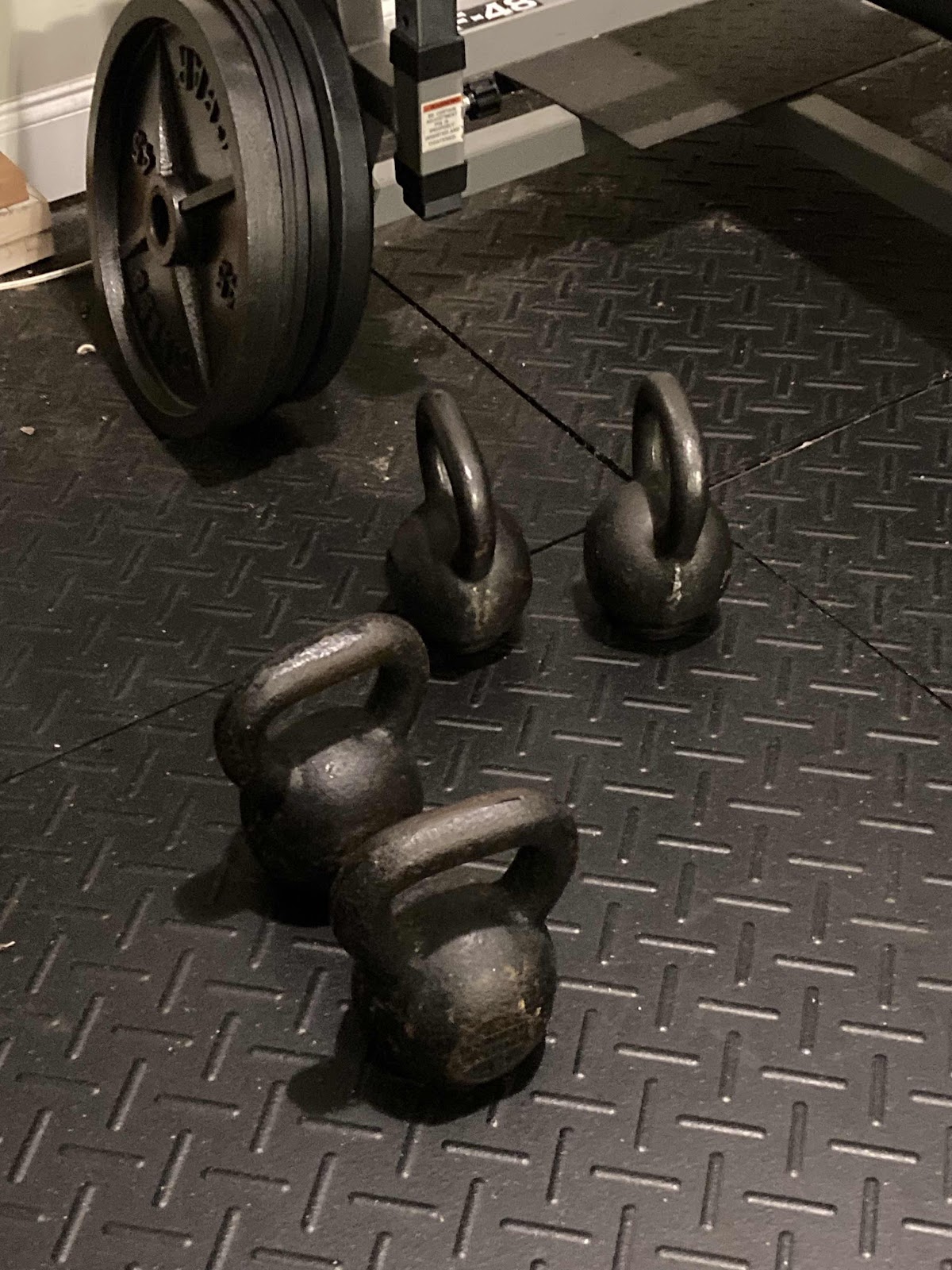
I have been using kettlebells for the past 25 years. In 1998, I completed two kettlebell training courses on Fort Benning. 

The first one was hosted by the Ranger Training Brigade and the second one was through Troy University. Kettlebells have been a main component of my training program ever since. 

Last night I verified that kettlebells still kick my ass like they did 25 years ago. I can’t perform some of the dynamic exercises anymore like I could back then. But there are still many basic exercises which still work quite well. 

Training has to adapt to aging and physical limitations. Kettlebells are versatile enough to be used throughout a wide range of exercise progressions and regressions. 

They are a timeless strength and conditioning tool that can be used by all. I recommend kettlebell training for everyone. 

Sunday, January 15, 2023

Review of the SMART Acronym for Goal Setting

The SMART Acronym is recommended for goal setting as it provides you with parameters that are more likely to lead you to adherence and success.

The SMART Acronym stands for the following:

S: Specific- your goal must be specific such as “I want to lose 10lbs.

M: Measurable - the goal must be measurable such as weekly weigh in’s and body composition assessments.

A: Attainable - the goal must be attainable. Example-Losing 10lbs is something that can be done. 

R: Realistic- the goal must be realistic. Losing 10lbs is more realistic than saying you want to lose 100lbs. 

T: Timely - the goal must have a time standard such as “ I want to lose 10lbs in the next 6 weeks”.

Check out the video description below.


Learn the proven principles of long term weight loss and healthy eating.


Thursday, January 12, 2023

Nutrition Guidelines for Older Adults


The dietary guidelines for older adults recommend that they consume a variety of foods, including fruits, vegetables, whole grains, fat-free or low-fat milk and milk products, beans and peas, lean meats and poultry, fish, eggs, and nuts. 

- Choose foods and beverages that limit calories from added sugars, solid fats and alcohol.

- Eat a variety of nutrient-dense foods to meet your nutritional needs.

- Choose a diet with plenty of vegetables, fruits, whole grains, fat-free or low-fat dairy products, lean meat and poultry and fish.

- Limit sodium (salt) intake to less than 2,300 mg/day.

Older adults need to consume a diet that is high in fiber, low in saturated fat, and rich in vitamins and minerals. The following are some key points to consider when planning a diet for older adults:

- Older adults should consume at least 30 grams of fiber each day.

- A diet that includes lots of fruits and vegetables will help older adults meet their daily vitamin and mineral requirements.

Nutrition is an important factor for older adults. The key to healthy eating is to make informed decisions about what you eat and drink, as well as how much.

You can also help your body by making sure you get all the vitamins and minerals you need, while avoiding those that can be harmful.

Here are some tips on how to choose the right foods for older adults:

1) Eat a variety of foods in order to get all the nutrients you need.

2) Choose whole grains instead of processed ones.

3) Eat plenty of fruits, vegetables, legumes and nuts to get enough fiber and protein.

4) Choose low-fat dairy products instead of full-fat ones (milk, yogurt, cheese etc.).

5) Include fish in your diet at least twice a week; it's an excellent source of omega-3 fatty acids which may help reduce inflammation throughout the body (including in joints).

Older adults are at risk for a number of nutrition-related problems, including malnutrition, dehydration and vitamin deficiencies.

The most common problem is unintentional weight loss because of poor appetite, trouble swallowing or chewing, or other physical limitations. Older adults may also have trouble consuming enough calories to maintain their weight.

Some older adults may not be able to tell when they're hungry or thirsty, so it's important for caregivers to help them eat regularly and drink plenty of fluids.

Older adults who have trouble swallowing may need to have thickened liquids or food pureed into a liquid consistency. It's also important that they stay hydrated by drinking water throughout the day instead of waiting until they feel thirsty.

Protein intake requirements for older adults

As we age, our bodies are less able to produce certain proteins. The result is that we need more protein in our diets than when we were younger.

Older adults need to eat more protein and less carbohydrates. This is because the body's ability to use carbohydrates decreases with age, while the body's ability to use protein remains strong throughout life.

Older adults should consume 1.2 to 1.5 grams of protein per kilogram of body weight. The daily recommended intake is 0.8 g/kg for healthy adults, but this rises to at least 1 g/kg for older adults who are at risk of sarcopenia, which is the gradual loss of muscle mass and strength that occurs as we age.

Healthy fat intake requirements for older adults

Getting enough fat in your diet is important for older adults.

Older adults need to eat more than younger adults, and it's especially important that they get enough fat in their diets.

The recommended daily allowance of fat for an older adult is 20-35% of total calories, depending on age. The amount of fat in your diet should be limited to less than 10% saturated fats and less than 300 mg cholesterol per day.

This means that if your total daily calories are 2000, you should aim to take in between 500 and 700 grams of fat per day.

Fat helps you feel full and satisfied, so you'll be less likely to overeat. It also helps your body absorb essential vitamins A, D, E and K, as well as minerals such as copper and iron.

Fatty foods can also help protect against osteoporosis by keeping bones strong and healthy.

Older adults need to eat more healthy fats like avocado, nuts, fish and olive oil. These fats are good for the heart, brain and weight management.

Recent studies show that a high-fat diet is linked to lower mortality rates in people over 65 years old. This could be because high-fat foods are more satiating than low-fat foods, which means they leave you feeling fuller longer and help keep blood sugar levels stable.

In addition, the fat in certain foods can help your body absorb their nutrients better. For example, if you're eating spinach or another green vegetable that contains iron, it may not have much effect on your health if you don't eat any fat with it. 

But if you add some olive oil or nuts to the mix, then your body will absorb more of the iron from the spinach—and that could help prevent anemia!

Carbohydrate intake requirements for older adults

 Carbohydrates are the body's main source of energy and their levels in the blood stream can affect brain function, digestion, and bone mass. 

It is the body's main source of fuel and provide energy for basic functions like breathing, pumping blood, and digesting food. Carbohydrates are also important for healthy brain function.

Carbohydrates are found in many foods, including grains, fruits, vegetables and milk products.  The amount of carbohydrate you need depends on your age, gender and activity level.

Carbohydrate intake should be between 45% and 65% of your daily caloric intake.

As we age, we need the right amount of carbohydrates in our diets. This is because our bodies lose the ability to produce the hormone insulin as we age, which can lead to health problems like diabetes. 

If you're over 65 years old, your body may be less efficient at using carbohydrates for energy. This means that eating too many carbs might cause blood sugar levels to rise quickly and then fall quickly, which can lead to fatigue, headaches and irritability.

It's important to talk with your doctor or dietitian if you have concerns about how much carbohydrate you should be eating each day. As long as you keep track of what kinds of food sources contain carbohydrates (including vegetables and fruit), it's easy to meet your needs while still enjoying a balanced diet.

Calorie Requirements for Older Adults

In order to maintain your weight and keep your energy levels up, you should aim for 1,200 to 1,600 calories per day. And if you're active and are trying to maintain or gain weight, you'll need more than that range (about 1,600 to 2,400 calories per day). This will obviously vary from person to person. You will need more calories if you are active.

Always check with your doctor before starting any fitness or nutrition program. 


Tuesday, December 20, 2022

Eating in Threes is Still the Nutrition Win for Me


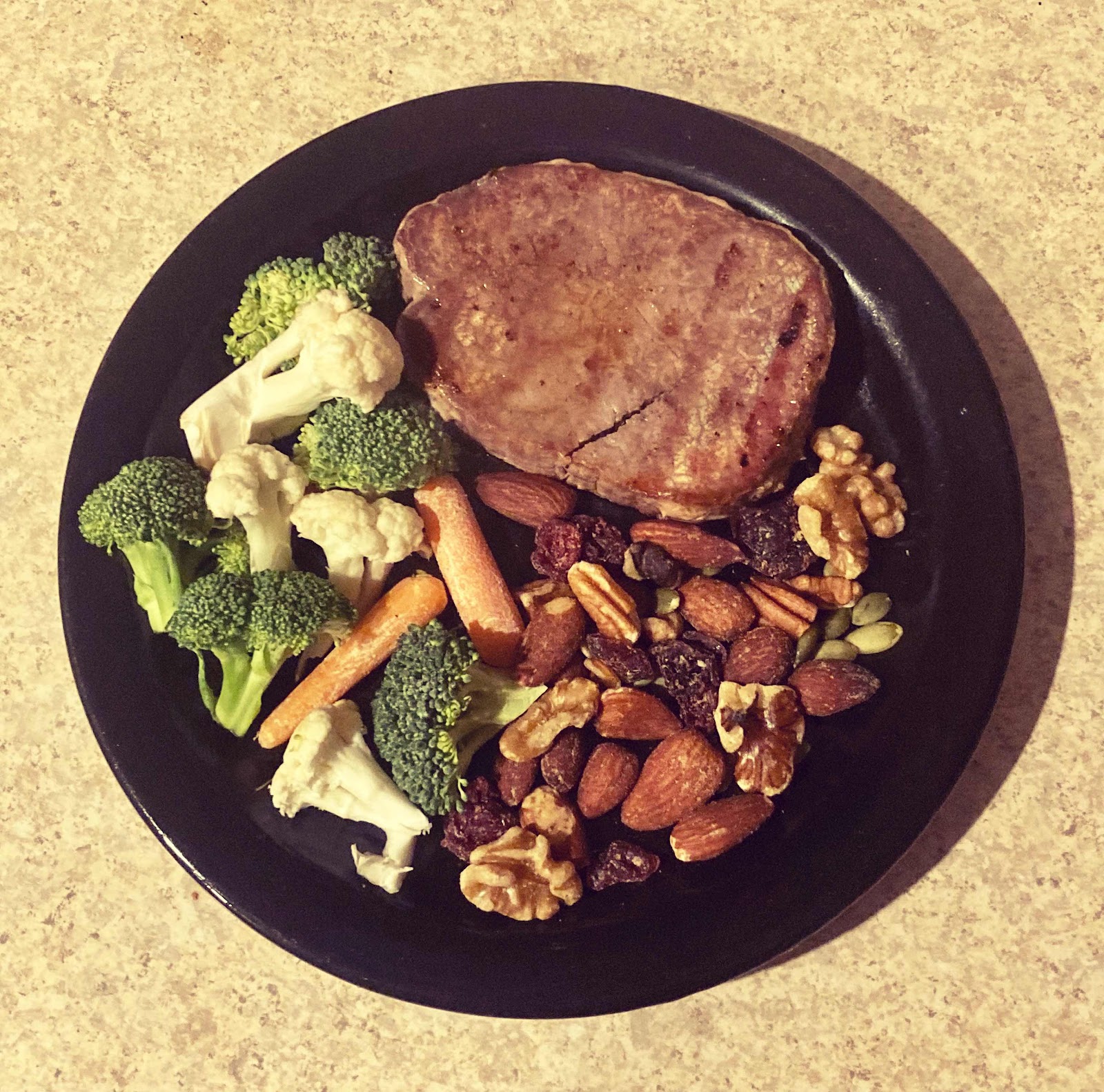
Dinner post fasting meal of steak, nuts and seeds and some vegetables. In my nutrition program I teach the concept of “eating in threes”. No dumbass not eating in trees. Koala bears do that. 😀 

Eating in threes simply means that you create your meals around the three main macronutrients of protein, fat and carbs. In this example the steak is the protein, the nuts and seeds are the fat and the vegetables are the carbs. And yes vegetables are fibrous carbs. 

Based upon your goals, you adjust the ratio of these macronutrients to meet your needs. For most people it is easier to understand and visualize this concept by using the plate method as shown here. 

Using this method of meal preparation allows your body to receive appropriate amounts of all three macronutrients based upon your goal. This also prevents huge blood sugar and insulin spikes and dips which cause a number of problems, especially around the diabetes and weight loss topics. 

Also getting in the appropriate amount of good fats allows your body to absorb and metabolize fat soluble vitamins and facilitates the mechanisms which oxidize storage fat while maintaining lean body mass. 

So figure out the healthy foods that you like in each category of protein, fat, and carbs. Then pick one from each category to create a meal. Repeat as necessary. There is your meal plan and now you know what has to go on your grocery list. Go get it, prepare it and eat it. Then hit the gym and start jacking steel. 

Do the work, reap the rewards. 

In the end it comes down to eating the right amount, of the right stuff, at the right time to support your goals. So go eat and hit the weights!

Eric Dempsey 
MS, NASM Fitness Nutrition Specialist,
NESTA Sports Nutrition Specialist 

Sunday, November 27, 2022

New Age Performance BOGO Sale!


My friends at New Age Performance are having their biggest sale of the year -Buy One Get One Free! 

This mouthpiece stabilizes the 6 dimensions of the jaw to increase weight-lifting performance immediately. 

✅ Scientifically Proven 
✅ 100,000 Active Users 
✅ Protects Teeth 
✅ Used By Strongman Champions 
✅ 30-Day Money-Back Guarantee 

The Buy One Get One Free discount is automatically applied at checkout. 

Click on my link to get two today. 

But don't wait, this is a limited-time offer! 


Wednesday, November 9, 2022

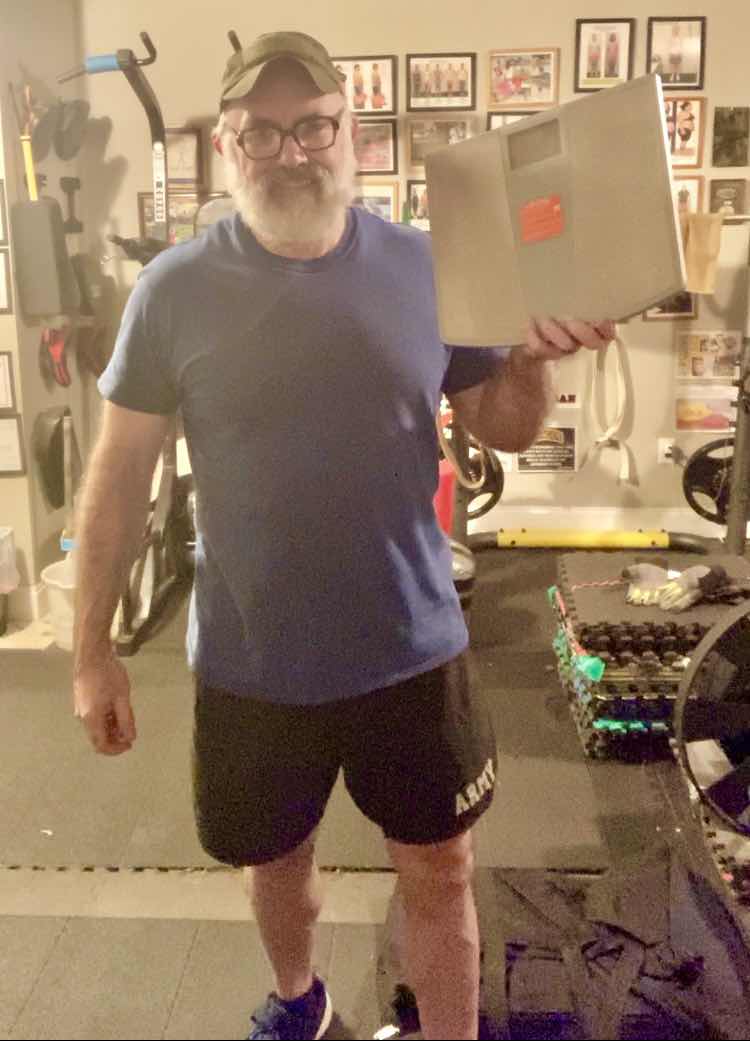
I lost 15.5lbs in 6 weeks. What was the secret?


So I hired a certified master trainer and weight loss specialist to help me combat my obesity problem. 

My BMI number indicated that I was in the obese category so I knew I needed to take action. 

6 weeks later I’ve lost 15.5 lbs. 

What was the program that I followed from this trainer? 

It was the “get off your ass and go workout and stop eating garbage” program. 

And who is this trainer?

It’s me of course. 

All kidding aside, I really have lost 15.5lbs over the last 6 weeks. This is the lowest weight I’ve been at in the last 5 years. 

The kicker is that this was not a deliberate weight loss program. It was just a side effect of what I was doing. 

Did I starve myself? No, I actually have been eating as much as I can including cheat meals. 

Did I follow a strict diet plan that focused on calorie deficit? Nope, I loosely did a paleo / keto meal plan with intermittent fasting. 

Did I do hours of long useless cardio? Nope, definitely not. I hit the weights. 

Was I trying to lose weight? Definitely not! 

So if you are having trouble losing weight, there are specific reasons which cause this difficulty. 

There are many variables that you have to look at such as total calorie intake, macronutrient ratios, sugar and sodium, high glycemic carbs, hormone issues, medications, stress and sleep, hydration, exercise type and frequency, and alcohol consumption. 

Odds are that you will find your problem and answer in the variables listed above. 

Stop eating and drinking crap, go eat healthy food and go hit the weights.

Tuesday, October 4, 2022

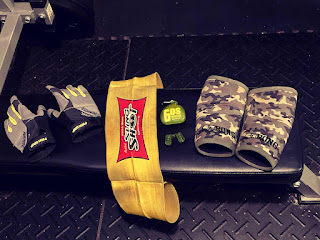
Should You Use Belts, Gloves, Sleeves etc…


Entering the arena to face the beast on a Monday night. Never Let Monday Win!

Putting on my armor before the great battle of the bench press begins. All of the gurus say you don’t need or shouldn’t train with gloves or gear of any kind. 

Real men or women don’t need such things. Only those who are weak use such things. 

Well, comrades, I’m here to tell ya that is BS. 

Had I been smart and not listened to the macho gurus and used this stuff or something like it 30 years ago, I wouldn’t have half of the problems that I have today. 

The real gurus were using stuff like this 30 years ago.

So I recommend using all of the gear in training to protect your body and enhance your performance. 

And the gear I use now, pictured, is worth its weight in gold to me. 

Train hard and protect yourself. There is nothing wrong with it. 

Even the CrossFit crowd got smart. There is nothing brave or bold about your hands being bloody pulp or your joints being destroyed. It’s just stupid. 

Train hard and smart. That’s how you win in the long game of life.