Liv Pur Nutritional Supplements

Showing posts with label health. Show all posts

Saturday, August 3, 2024

Nutrition fundamentals for body composition and performance


Nutrition fundamentals for body composition and performance: there are two main categories that everyone needs to optimize to reach your goals. The two categories are caloric intake and macronutrient ratios. When these two categories are off track, your progress suffers. 

Your goals almost always include something to do with looking better, feeling better and performing better. People assume that losing weight is on that list because that’s what you have been indoctrinated into thinking. Building / maintaining muscle mass and losing body fat are what you should be focused on. Nobody talks about that because it’s not part of the money making narrative. 

Here are a list of questions that you should be asking yourself:
What are my specific goals?
What should my caloric intake be to reach my goals?
What is my current actual caloric intake?
What macronutrient ratio of protein, fat and carbs should I be using to reach my goals?
What is my current actual macronutrient ratio?
What changes do I have to make to go from my actual current caloric intake and macronutrient ratio to my desired caloric intake and macronutrient ratio?

Once you have the answers to these questions then you can take positive decisive actions that will actually assist you in achieving your goals. Simple doctrinal statements like “eat less and exercise more” and “slim down and tone up” are amateur hour constructs propagated by the money making industries. 
Try “burn fat and build muscle” instead for optimal healthy results. 

In my nutrition program that I have taught for years, I teach, coach and mentor people to answer those questions, calculate the answers, and develop your own nutrition plan to reach your specific goals. 

Most people are too lazy or undisciplined to do the work required. For those types, they can simply do endless cardio and starve themselves until they can cram their atrophied malnourished brittle bodies into a size zero pair of jeans. Dying skinny can be a goal I suppose. Throughout history, death camps were filled with skeletal looking skinny people (barely alive and dead). So choose your goals wisely. It’s worth doing the work to be healthy. 

Thursday, March 21, 2024

Beyond the Scale Part 1: Why is it important to track all of your body composition instead of just tracking body weight?


Tracking body composition is important because it provides a more comprehensive understanding of your overall health and fitness progress compared to just tracking body weight. Here are a few reasons why tracking body composition is beneficial:

1. Differentiates between fat and muscle: Body composition analysis allows you to determine the percentage of body fat and muscle mass. This is important because even if your body weight remains the same, your body composition may change. By tracking body composition, you can assess whether you are losing fat and gaining muscle, which is essential for achieving a lean and healthy physique.

2. Evaluates overall health: Body composition analysis provides insights into your overall health beyond just weight. Excessive body fat, especially around the abdominal area, is associated with an increased risk of various health conditions such as heart disease, diabetes, and metabolic syndrome. By tracking body composition, you can monitor changes in body fat levels and take necessary steps to improve your health.

3. Personalizes fitness and nutrition plans: Understanding your body composition can help personalize your fitness and nutrition plans. For example, if your goal is to lose body fat, tracking body composition can help you assess the effectiveness of your exercise and diet regimen. It allows you to make adjustments based on your specific needs and goals.

4. Motivates and encourages progress: Seeing positive changes in body composition, such as a decrease in body fat percentage or an increase in muscle mass, can be highly motivating. Tracking these changes can help you stay focused and committed to your health and fitness journey.

In summary, tracking body composition provides a more detailed and accurate assessment of your overall health, helps you differentiate between fat and muscle changes, personalizes your fitness and nutrition plans, and serves as a source of motivation. It is a valuable tool for monitoring progress and making informed decisions to optimize your health and fitness goals.

Over the years, I have used tape measures, hand held bio electric impedance devices, body fat calipers, and a variety of weight scales to conduct body composition assessments on my clients and myself. 

While each method has different pros and cons, I have switched to a new device that does it all and is less hands on and invasive. 

My new device that I have used for the past couple of years, for my clients and myself, is the Inevifit Eros Smart Body Fat Scale and its associated iPhone app. 


You simply step on the scale barefoot and the scale transmits your data to the app on your phone. 
It tracks more than 9 different metrics or data points related to your body composition. And you can add your whole family to your users on the app. Or in my case I have myself and my clients on my app. 


This data provides you with a much more detailed picture of where you stand in regards to your progress towards your goals. This way you can make informed decisions and better adjustments to your fitness and nutrition plan as needed. 

Complete Body Composition: Metrics include Weight, Fat Percentage, Muscle Mass, Water Percentage, Bone Mass, BMI, Visceral Fat, Metabolic Age & even Basal Metabolic Rate

I like this scale a lot and it has proven itself to be of great benefit for my clients and myself. 

So I highly recommend this scale and app for home and business use. 

After having such positive experiences with this scale and app, I have added it to the list of products that I sell through Dempsey’s Resolution Fitness. 

If you want to know more about this scale, and get one for you and your family or business, use this link here:

Wednesday, March 20, 2024

Why it is Important to Eat the Right Amount of Healthy Fats


Eating enough healthy fats is important for several reasons, as supported by the latest research. Firstly, healthy fats provide essential nutrients and energy for the body. They are a rich source of fat-soluble vitamins (such as vitamins A, D, E, and K) that are important for various bodily functions, including immune system function, bone health, and vision.

Secondly, healthy fats help in the absorption and transportation of fat-soluble vitamins and other nutrients. Many vitamins and phytochemicals, found in fruits and vegetables, are better absorbed when consumed with healthy fats. For example, the absorption of beta-carotene (a precursor of vitamin A) from vegetables is enhanced when consumed with fat.

Furthermore, healthy fats play a crucial role in supporting brain health. The brain is composed of nearly 60% fat, and consuming adequate amounts of healthy fats can help maintain optimal brain function. Omega-3 fatty acids, found in fatty fish, walnuts, and flaxseeds, are particularly important for brain health as they support cognitive function and help reduce the risk of neurodegenerative diseases.

In addition, consuming healthy fats can have a positive impact on heart health. Research suggests that replacing unhealthy saturated and trans fats with healthier fats, such as monounsaturated fats and polyunsaturated fats, can help reduce the risk of heart disease. These healthy fats can help lower LDL (bad) cholesterol levels and improve overall cardiovascular health.

Lastly, healthy fats can aid in weight management. Contrary to popular belief, eating healthy fats in moderation does not lead to weight gain. In fact, they can help you feel more satisfied and full, reducing the likelihood of overeating. Including healthy fats in your meals can also help stabilize blood sugar levels and promote a balanced and sustainable approach to weight management.

Overall, the latest research highlights the importance of including enough healthy fats in our diets for optimal nutrition, brain health, heart health, and weight management.

The recommended amount of healthy fats to eat daily varies depending on individual factors such as age, sex, and activity level. However, a general guideline is to consume around 20-35% of your daily calorie intake from fats. This translates to about 44-77 grams of fat for a 2,000 calorie diet. It is important to focus on consuming sources of healthy fats, such as avocados, nuts, seeds, olive oil, and fatty fish, while limiting saturated and trans fats. It is always best to consult with a healthcare professional or registered dietitian for personalized dietary recommendations.

Thursday, January 18, 2024

Two important factors when choosing a foam roller for SMR


Two important factors when choosing a foam roller for SMR are density and diameter. 

Self myofascial rolling is a great way to relieve tension, stress and discomfort from knots, tender spots and adhesions in your muscles. 

It’s recommended for your warmup and cool down for each workout in addition to other mobility and flexibility exercises. 

View my video 


Use this link to get yourself a good foam roller. 
Get Your Foam Roller Here

Sunday, July 23, 2023

The Girls Track Their Fat Loss with the Eros Smart Bodyfat Scale


The girls have both lost body fat and weight this week. They were quite pleased. 

We track their numbers every Friday using the Eros smart body fat scale and it’s free app. 

This scale provides 13 data metrics which allows you to meticulously track your BMR, BMI, body fat, weight, water level, lean body mass, fat mass, visceral fat, subcutaneous fat, bone density, metabolic age and more. 

You can store numerous profiles on the app so you can use it for your whole family or in my case, personal training clients. 

It really simplifies the data tracking and provides you with a lot of information. This allows you to take the appropriate actions to help you reach your goals. 

Inevifit has a variety of smart scales, food scales and meal prep kits.

You can use coupon code Eric to receive 20% off your order through my link below. 

Saturday, July 8, 2023

10 Important Steps for Effective Fat Loss


Today's topic is a common concern for many: fat loss! Losing fat can be challenging, but with the right steps, you can achieve your goals. So, let's dive into the 10 important steps for effective fat loss.

Step 1: Set Clear Goals

Firstly, it is crucial to set clear and realistic goals for yourself. Determine how much fat you want to lose and by when. Remember to make your goals specific, measurable, achievable, relevant, and time-bound.

Step 2: Create a Calorie Deficit

To shed fat effectively, you need to create a calorie deficit. This means consuming fewer calories than you burn in a day. Focus on a well-balanced diet that includes lean proteins, healthy fats, complex carbohydrates, and plenty of fruits and vegetables.

Step 3: Monitor Your Portions

Keep an eye on your portion sizes to avoid overeating. Use smaller plates, measure your food, and be mindful of your eating habits. By controlling your portions, you can manage your calorie intake more effectively.


Step 4: Incorporate Strength Training.  

Adding strength training to your routine is a game-changer. It boosts your metabolism, builds lean muscle mass, and helps you burn more calories even at rest. Aim for resistance exercises two to three times a week.

Step 5: Engage in Cardiovascular Exercise

Cardiovascular exercises such as running, cycling, or swimming are excellent fat burners. Aim for at least 150 minutes of moderate-intensity cardio per week to enhance your weight loss journey.

Step 6: Prioritize Sleep and Stress Management

Pay attention to your sleep and stress levels. Lack of sleep and chronic stress can hinder fat loss. Aim for 7-9 hours of quality sleep per night and engage in stress-reducing activities like meditation or yoga.

Step 7: Stay Hydrated

Drinking enough water is often overlooked but vital for fat loss. Water helps to flush out toxins, aids digestion, and boosts your metabolism. Aim for at least 8-10 glasses of water per day.


Step 8: Limit Processed Foods and Sugars

Processed foods and added sugars can easily derail your fat loss progress. Opt for whole, unprocessed foods rich in nutrients instead. Focus on lean proteins, whole grains, fruits, and vegetables.

Step 9: Track Your Progress

Regularly track your progress to stay motivated. Take measurements, use a scale, or take progress pictures. This way, you can celebrate milestones and make necessary adjustments to your routine.

Step 10: Stay Consistent & Seek Support

Lastly, remember that consistency is key. Stick to your fat loss plan even when it gets tough. Surround yourself with supportive friends or join a community of like-minded individuals to stay motivated and accountable.

And that wraps up our 10 important steps for fat loss. Remember, it's about finding a sustainable lifestyle that works for you. Stay focused, stay positive, and soon you'll be on your way to achieving your fat loss goals. Stay healthy!

If you really want to get a jump start on achieving your goals, tracking your data is essential. My recommended tracking tool is the Eros Smart Body Fat Scale. 

This amazing smart scale tracks 13 data metrics and comes with a free mobile app. I use it weekly for myself and my clients.


Inevifit Eros Smart Body Fat Scale


Use coupon code ERIC to receive 20% off of your order through my link below:


http://www.inevifit.com?aff=266


Friday, June 16, 2023

What is Basal Metabolic Rate (BMR) and Why Is It Important?


Basal Metabolic Rate (BMR) refers to the amount of energy or calories that your body needs to maintain basic physiological functions while at rest. These functions include breathing, circulation, cell production and repair, and the maintenance of organ functions.

BMR is the energy expenditure required to keep your body functioning at rest, without any physical activity or digestion taking place. It is influenced by several factors, including age, sex, body composition, and genetics.

Factors that can affect BMR include:

Age: BMR tends to decrease with age due to a loss of muscle mass and a decrease in metabolic activity.

Sex: Men generally have a higher BMR compared to women because they tend to have more muscle mass.

Body composition: Muscle tissue is more metabolically active than fat tissue, so individuals with a higher proportion of muscle tend to have a higher BMR.

Genetics: Some individuals may have a naturally higher or lower BMR due to genetic factors.

Thyroid function: The thyroid hormone plays a significant role in regulating metabolism. Hypothyroidism (underactive thyroid) can lower BMR, while hyperthyroidism (overactive thyroid) can increase it.

To determine an individual's BMR, various equations have been developed, such as the Harris-Benedict equation and the Mifflin-St. Jeor equation. These equations take into account factors like age, sex, weight, and height to estimate an individual's BMR.

BMR is just an estimation of the energy requirements at rest and does not account for physical activity or digestion. To determine your total daily energy expenditure, you would need to consider your BMR along with the calories burned through physical activity and the thermic effect of food.

It is important to know the number values of all of the data associated with weight loss, fat loss, and muscle building. Otherwise you are guessing on most of it. Tracking your data is beneficial to your success. Many people consume far less than their BMR requirements daily. This can adversely effect your health, performance and body composition levels. 

In my many years as a trainer and coach, I have assisted dozens and dozens of people in achieving their body composition goals. The clients who were the most successful, in the least amount of time, were the ones who tracked and understood their data.  

Recently I acquired an Eros Smart Body Fat Scale from Inevifit. I started using it to track my own data as well as the weekly data of several clients. I simply love this smart body fat scale. The amount of data it provides you is impressive. This scale comes with a free APP and is connected via bluetooth. It uses bioelectrical impedance to calculate your numbers. 


You simply set the APP on your profile and stand on the scale barefoot for a short time. The data is then transmitted from the scale to the APP on your phone. You can save all of your data and use tracking charts on the APP to see your progress. The APP also allows you to create additional profiles for family members or clients.

The Eros Smart Body Fat Scale tracks the following metrics:

Weight, 
Fat Percentage, 
Muscle Mass, 
Water Percentage, 
Bone Mass, 
BMI, 
Visceral Fat, 
Metabolic Age, 
Basal Metabolic Rate.


This abundant amount of data gives you a very keen insight as to where you are at in relation to your goals. It also shows you what you are doing good on and where there is room for improvement. And it tells you your BMR. Another thing that I love about this scale is that it is simple to use and you do not have to write anything down or calculate any of the numbers. This scale does it all for you very quickly.


Inevifit has a variety of scale models to choose from that vary in price. I prefer the Eros Smart Body Fat Scale as it is the most capable. 

Watch my video below for a summary


If you want to check it out and get your own scale, you can use coupon code Eric for 20% off of your order through my link here:


Get your own Eros Smart Body Fat Scale and start tracking your data as you speed towards your goals.

Wednesday, March 8, 2023

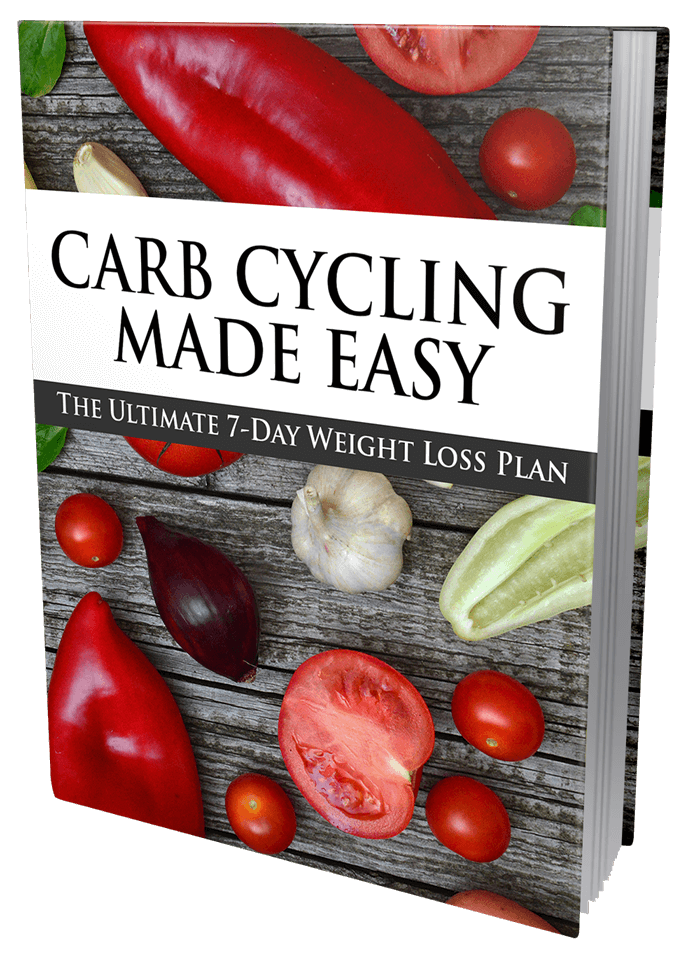
Carb Cycling for Weight Loss Program with Bonus Gifts now available


Carb Cycling for Weight Loss

"Carb Cycling For Weight Loss" is the ultimate diet guide for those who want to lose weight fast, boost athletic performance, or break through their weight loss plateau. Carb Cycling is not just another fad diet. 

It is known as the "Secret Weapon" by a number of the world’s top athletes & bodybuilders to get in their best physical condition FAST. On top of that, carb cycling comes with other crucial health benefits such as preventing diabetes, controlling a balanced hormonal level, improving energy levels...and more!

This diet blueprint reveals everything you need to know about Carb Cycling: How to get started with carb cycling, core benefits & implementation strategies, carb cycling protocols to follow, sample 7 day carb cycling meal plan and all the tips & tricks to get the best results out of this diet!


You Will Get These Bonuses If You Buy Now!

Bonus #1: 7-Day Weight Loss Meal Plan
Discover How To Achieve Your Dream Physique Using This Rapid Fat Loss Technique


Bonus #2: Carb Cycling Checklist
This checklist contains step-by-step action plan for you to make sure you get the full benefits of of Carb Cycling for Weight Loss.


Bonus #3: Complete Mind Map
This mind map is perfect for 'visual' learners.
It outlines everything you are going to discover throughout the entire course.


Wednesday, February 22, 2023

Salt is Salt Right? Table Salt VS Celtic Sea Salt


During a conversation with a medical doctor, he said that salt is salt, and it doesn't matter what type you use. While in a very narrow spectrum that statement is true in regards to sodium chloride, there are many differences between different types of salt.

The differences are mainly in the type of refining, manufacturing and processing. Lets take a look at common table salt compared to Celtic sea salt.

Table salt and Celtic sea salt are both made from the same basic ingredients: sodium chloride and trace minerals. But there are a few key differences between the two that make one more beneficial than the other.

Some table salt is iodized, which means that it contains a small amount of iodine. It's also highly refined, meaning it has been processed to remove impurities and other minerals, which can make it less healthy than unrefined salt. If you do use regular table salt, make sure it is iodized.

Table salt is a refined product of sodium chloride, which means it contains no other minerals. Because it has been stripped of its original minerals, it can actually be harmful to your health. Not to mention all the additives they put in it! And because table salt has all of its minerals removed, it doesn't help to balance the blood pressure. Consequently, table salt causes gross blood pressure fluctuations, instead of stabilizing it. This well-known danger has created an entire industry of "low sodium" foods.

It is also treated with anti-caking agents to prevent it from clumping together. This means that it's less effective at dissolving in water, which means that your body absorbs less of it when you eat it. It also has a higher sodium content than most people's bodies need. Too much sodium can lead to high blood pressure and cardiovascular disease.

Refined, processed table salt contains ferrocyanide, talc, and silica aluminate. Aluminum intake leads to neurological disorders, particularly when no selenium is provided to help the body to chelate it. Aluminum bio-accumulates inside the body, causing further degeneration over time. Talc is a known carcinogen, though its effects upon ingestion have not been heavily studied. 

While it was once used in baby powders, the majority of such products now use cornstarch instead of talc, because of the known health risks. The F.D.A. has a special provision to allow talc in table salt, even whilst it is prohibited in all other foods, due to toxicity issues. According to current regulations, table salt can be up to 2% talc.- Thanks a lot FDA!

Celtic sea salt, on the other hand, comes from evaporated seawater that's been naturally filtered through layers of sand, gravel, clay and granite over thousands of years. Meaning that it contains only natural ingredients with no additives or chemicals. Its coarse texture also means that it dissolves quicker than table salt in liquids like soups and stews, which helps your body absorb more nutrients from food.

It is unrefined, and therefore not iodized or refined. It is harvested from seawater in France, where the water contains over 80 different trace minerals. These include calcium, magnesium, potassium and iron, all of which are essential for our bodies. It also contains lower amounts of iodine, which supports healthy thyroid function and helps prevent goiter (an enlarged thyroid gland). While the amount of iodine in Celtic sea salt is reportedly lower than processed table salt, it is an all-natural, pure source of iodine that is quickly absorbed and stored by your body.

So I would say that Celtic Sea Salt is a healthier option over table salt any day. 

Remember the key to beneficial salt intake is to get in the right amount. Not too much or too little. The American Heart Association recommends no more than 2,300 mg a day for mostly healthy adults. And no more than 1,500 mg per day, for adults with hypertension or heart disease.

Use iHerb coupon code HFB1638 to get 10% off through my link below.

Tuesday, February 21, 2023

Meal Idea and Some Weight Loss Advice


Meal idea and some nutrition advice.

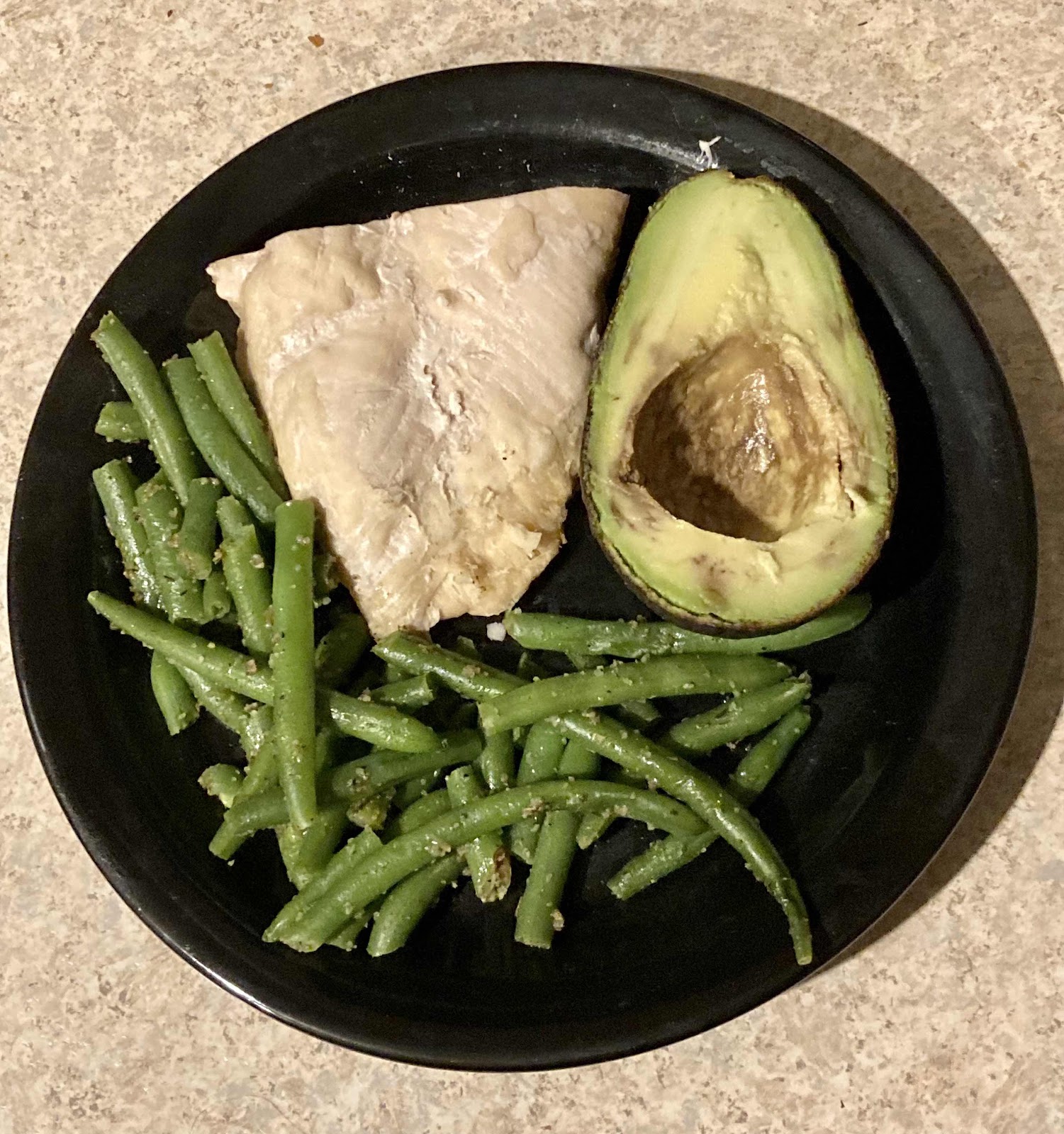
Baked chicken, avocado and green beans. 

Macronutrients: Chicken is the protein, avocado is the fat and the greens beans are fibrous carbs. 

Improper macronutrient ratio causes people many problems during their dieting or weight loss efforts. 

A simple example of a cultural norm / nutrition issue is the traditional southern meal practice of having a meat, starchy carbs and vegetables, plus desert, with no deliberate fat source. 

This example is high carb, medium/low protein and low/no fat. This could possibly be suitable for an athlete but it is a nightmare for someone who is dieting trying to lose body fat or “weight”. 

If you eat like this regularly, with a low activity level, and throw in some hormonal or thyroid issues, your weight loss efforts are for naught. This is very common. I’ve seen it a lot over the last 20 years. 

For fat loss or ”weight loss” you can simply fix the macronutrient content of the meal and start seeing results. 

Shift to high protein, medium fat, low carb and things will almost immediately change. Keep your carbs to mostly vegetables and go easy - like next to none, on the starches and sugar. 

Oh yeah might want to ease up on the after work 12 pack or bottle of wine every night. That throws a serious curve ball into the old diet bin. 

Drink more water over the course of the day. A good goal target is a gallon a day for most people. Make sure you intake electrolytes as well. Don’t drink too much, too fast, or you’ll risk injury in the form of hyponatremia which is when you flush out your electrolytes and sodium. It causes symptoms eerily similar to heat injuries and was misdiagnosed in the army for decades. 

Apply these concepts and see results in days, not weeks or months. I’ve had dozens of clients over the decades achieve ridiculous things in a week or two just by making these simple changes. 

But most people won’t do it. They stick to stupid stuff like starving yourself and doing hours of cardio. After all your doctor told you to eat less and exercise more right? 

Do the smart stuff and get healthy results or do the stupid stuff that they’ve brainwashed you with since the ‘50s, and become a worthy skinny fat diseased candidate for the FEMA death camps 😀.  Your call!

Wednesday, February 8, 2023

Make Time for Your Health or You Will Spend Time in the Hospital


Into the arena to face the beast on a cold dark Monday night. Monday night’s mission was 5x1 on the programming slate. 

So I did 135x10, 225x1, 235x1, 245x1, 255x1, 265x1. Had plenty left in the tank but stopped there for safety reasons. 

For many years, a lot of my personal training clients would tell me that they needed the accountability of having a trainer to meet at a certain time and if they didn’t have that then it would not happen. 

The majority of my long term clients moved away. Many found new trainers and continued the mission. A lot of people just descended back into a sloth life of laziness and atrophy gift wrapped in fat. 

Around town I occasionally see old clients who were once in great shape now looking not so fit. I often wonder what happened to these people. Why would you let yourself go like that? Everyone has their reasons or excuses. 

It’s a personal choice everyone has to make. If health, nutrition and fitness isn’t a priority for you, it’s you who will pay the price eventually. 

If you use the excuse of “I don’t have time”, eventually you will have time to be sick, in the doctors office or hospital. 

More than 6 out of 10 people in our country are overweight or obese. And most of those people have one or more comorbidity elements of metabolic syndrome.

I always tell people that the hardest and most important part is just getting to the gym. Get in there and do something, literally anything!

That’s always going to be better than nothing. 
Nothing leads to atrophy and decay, losing muscle and bone density while gaining fat. 

Get your ass in the gym and do something for your sake. If you can’t do it for yourself then do it for your family. 

And never let Monday win!

Sunday, January 15, 2023

Review of the SMART Acronym for Goal Setting

The SMART Acronym is recommended for goal setting as it provides you with parameters that are more likely to lead you to adherence and success.

The SMART Acronym stands for the following:

S: Specific- your goal must be specific such as “I want to lose 10lbs.

M: Measurable - the goal must be measurable such as weekly weigh in’s and body composition assessments.

A: Attainable - the goal must be attainable. Example-Losing 10lbs is something that can be done. 

R: Realistic- the goal must be realistic. Losing 10lbs is more realistic than saying you want to lose 100lbs. 

T: Timely - the goal must have a time standard such as “ I want to lose 10lbs in the next 6 weeks”.

Check out the video description below.


Learn the proven principles of long term weight loss and healthy eating.


Thursday, January 12, 2023

Nutrition Guidelines for Older Adults


The dietary guidelines for older adults recommend that they consume a variety of foods, including fruits, vegetables, whole grains, fat-free or low-fat milk and milk products, beans and peas, lean meats and poultry, fish, eggs, and nuts. 

- Choose foods and beverages that limit calories from added sugars, solid fats and alcohol.

- Eat a variety of nutrient-dense foods to meet your nutritional needs.

- Choose a diet with plenty of vegetables, fruits, whole grains, fat-free or low-fat dairy products, lean meat and poultry and fish.

- Limit sodium (salt) intake to less than 2,300 mg/day.

Older adults need to consume a diet that is high in fiber, low in saturated fat, and rich in vitamins and minerals. The following are some key points to consider when planning a diet for older adults:

- Older adults should consume at least 30 grams of fiber each day.

- A diet that includes lots of fruits and vegetables will help older adults meet their daily vitamin and mineral requirements.

Nutrition is an important factor for older adults. The key to healthy eating is to make informed decisions about what you eat and drink, as well as how much.

You can also help your body by making sure you get all the vitamins and minerals you need, while avoiding those that can be harmful.

Here are some tips on how to choose the right foods for older adults:

1) Eat a variety of foods in order to get all the nutrients you need.

2) Choose whole grains instead of processed ones.

3) Eat plenty of fruits, vegetables, legumes and nuts to get enough fiber and protein.

4) Choose low-fat dairy products instead of full-fat ones (milk, yogurt, cheese etc.).

5) Include fish in your diet at least twice a week; it's an excellent source of omega-3 fatty acids which may help reduce inflammation throughout the body (including in joints).

Older adults are at risk for a number of nutrition-related problems, including malnutrition, dehydration and vitamin deficiencies.

The most common problem is unintentional weight loss because of poor appetite, trouble swallowing or chewing, or other physical limitations. Older adults may also have trouble consuming enough calories to maintain their weight.

Some older adults may not be able to tell when they're hungry or thirsty, so it's important for caregivers to help them eat regularly and drink plenty of fluids.

Older adults who have trouble swallowing may need to have thickened liquids or food pureed into a liquid consistency. It's also important that they stay hydrated by drinking water throughout the day instead of waiting until they feel thirsty.

Protein intake requirements for older adults

As we age, our bodies are less able to produce certain proteins. The result is that we need more protein in our diets than when we were younger.

Older adults need to eat more protein and less carbohydrates. This is because the body's ability to use carbohydrates decreases with age, while the body's ability to use protein remains strong throughout life.

Older adults should consume 1.2 to 1.5 grams of protein per kilogram of body weight. The daily recommended intake is 0.8 g/kg for healthy adults, but this rises to at least 1 g/kg for older adults who are at risk of sarcopenia, which is the gradual loss of muscle mass and strength that occurs as we age.

Healthy fat intake requirements for older adults

Getting enough fat in your diet is important for older adults.

Older adults need to eat more than younger adults, and it's especially important that they get enough fat in their diets.

The recommended daily allowance of fat for an older adult is 20-35% of total calories, depending on age. The amount of fat in your diet should be limited to less than 10% saturated fats and less than 300 mg cholesterol per day.

This means that if your total daily calories are 2000, you should aim to take in between 500 and 700 grams of fat per day.

Fat helps you feel full and satisfied, so you'll be less likely to overeat. It also helps your body absorb essential vitamins A, D, E and K, as well as minerals such as copper and iron.

Fatty foods can also help protect against osteoporosis by keeping bones strong and healthy.

Older adults need to eat more healthy fats like avocado, nuts, fish and olive oil. These fats are good for the heart, brain and weight management.

Recent studies show that a high-fat diet is linked to lower mortality rates in people over 65 years old. This could be because high-fat foods are more satiating than low-fat foods, which means they leave you feeling fuller longer and help keep blood sugar levels stable.

In addition, the fat in certain foods can help your body absorb their nutrients better. For example, if you're eating spinach or another green vegetable that contains iron, it may not have much effect on your health if you don't eat any fat with it. 

But if you add some olive oil or nuts to the mix, then your body will absorb more of the iron from the spinach—and that could help prevent anemia!

Carbohydrate intake requirements for older adults

 Carbohydrates are the body's main source of energy and their levels in the blood stream can affect brain function, digestion, and bone mass. 

It is the body's main source of fuel and provide energy for basic functions like breathing, pumping blood, and digesting food. Carbohydrates are also important for healthy brain function.

Carbohydrates are found in many foods, including grains, fruits, vegetables and milk products.  The amount of carbohydrate you need depends on your age, gender and activity level.

Carbohydrate intake should be between 45% and 65% of your daily caloric intake.

As we age, we need the right amount of carbohydrates in our diets. This is because our bodies lose the ability to produce the hormone insulin as we age, which can lead to health problems like diabetes. 

If you're over 65 years old, your body may be less efficient at using carbohydrates for energy. This means that eating too many carbs might cause blood sugar levels to rise quickly and then fall quickly, which can lead to fatigue, headaches and irritability.

It's important to talk with your doctor or dietitian if you have concerns about how much carbohydrate you should be eating each day. As long as you keep track of what kinds of food sources contain carbohydrates (including vegetables and fruit), it's easy to meet your needs while still enjoying a balanced diet.

Calorie Requirements for Older Adults

In order to maintain your weight and keep your energy levels up, you should aim for 1,200 to 1,600 calories per day. And if you're active and are trying to maintain or gain weight, you'll need more than that range (about 1,600 to 2,400 calories per day). This will obviously vary from person to person. You will need more calories if you are active.

Always check with your doctor before starting any fitness or nutrition program. 


Tuesday, December 20, 2022

Eating in Threes is Still the Nutrition Win for Me


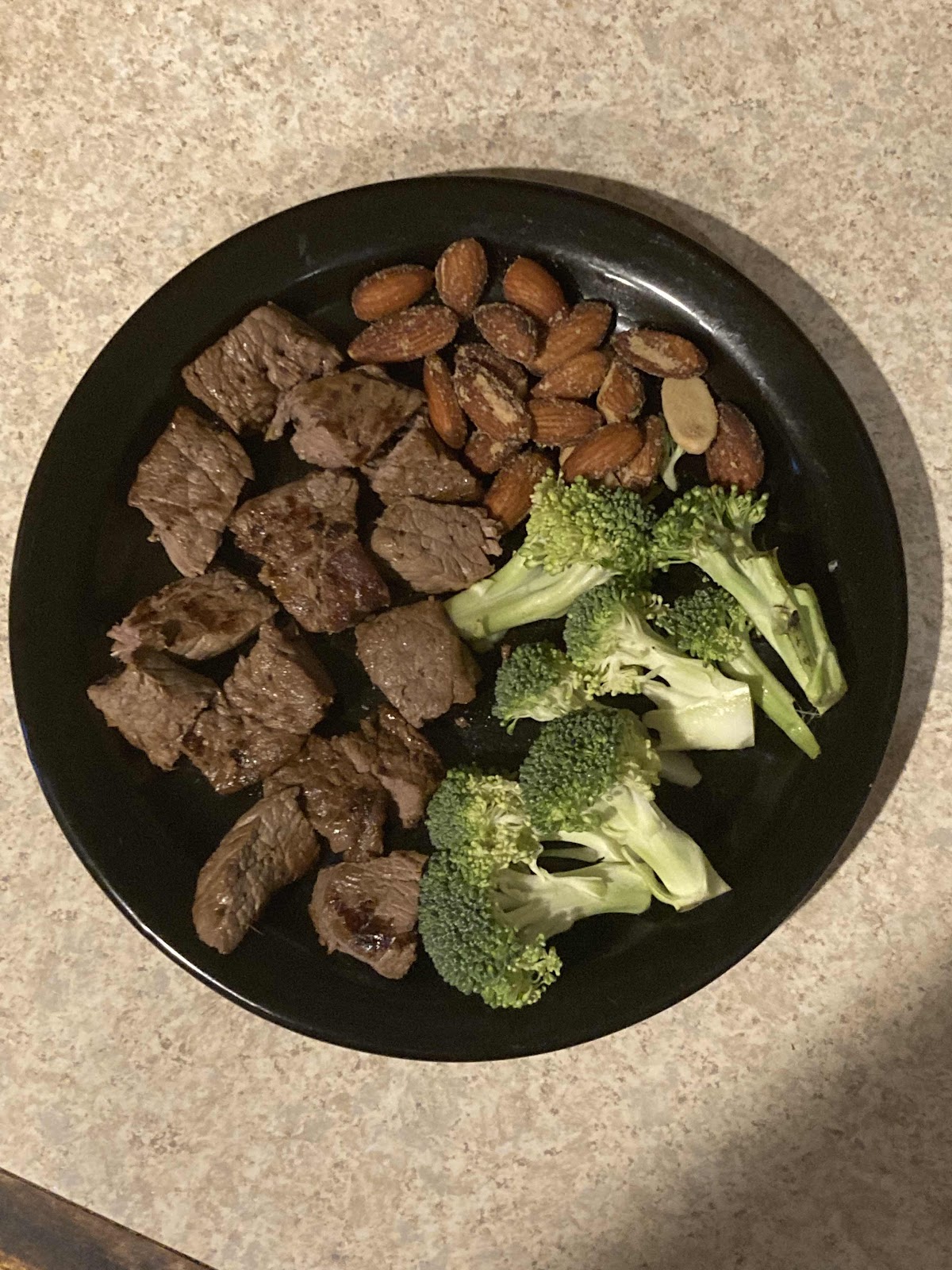
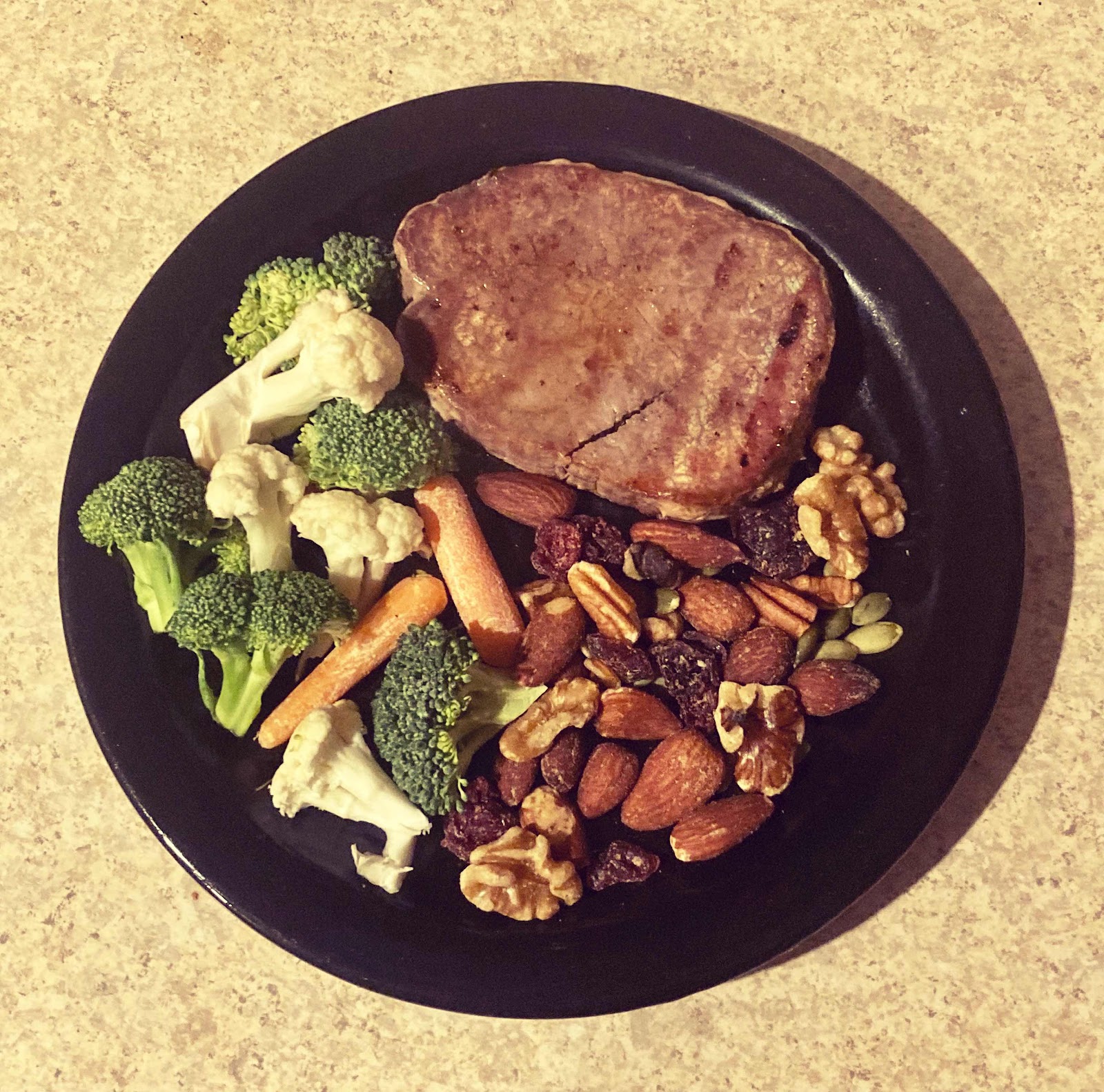
Dinner post fasting meal of steak, nuts and seeds and some vegetables. In my nutrition program I teach the concept of “eating in threes”. No dumbass not eating in trees. Koala bears do that. 😀 

Eating in threes simply means that you create your meals around the three main macronutrients of protein, fat and carbs. In this example the steak is the protein, the nuts and seeds are the fat and the vegetables are the carbs. And yes vegetables are fibrous carbs. 

Based upon your goals, you adjust the ratio of these macronutrients to meet your needs. For most people it is easier to understand and visualize this concept by using the plate method as shown here. 

Using this method of meal preparation allows your body to receive appropriate amounts of all three macronutrients based upon your goal. This also prevents huge blood sugar and insulin spikes and dips which cause a number of problems, especially around the diabetes and weight loss topics. 

Also getting in the appropriate amount of good fats allows your body to absorb and metabolize fat soluble vitamins and facilitates the mechanisms which oxidize storage fat while maintaining lean body mass. 

So figure out the healthy foods that you like in each category of protein, fat, and carbs. Then pick one from each category to create a meal. Repeat as necessary. There is your meal plan and now you know what has to go on your grocery list. Go get it, prepare it and eat it. Then hit the gym and start jacking steel. 

Do the work, reap the rewards. 

In the end it comes down to eating the right amount, of the right stuff, at the right time to support your goals. So go eat and hit the weights!

Eric Dempsey 
MS, NASM Fitness Nutrition Specialist,
NESTA Sports Nutrition Specialist 

Wednesday, November 9, 2022

I lost 15.5lbs in 6 weeks. What was the secret?


So I hired a certified master trainer and weight loss specialist to help me combat my obesity problem. 

My BMI number indicated that I was in the obese category so I knew I needed to take action. 

6 weeks later I’ve lost 15.5 lbs. 

What was the program that I followed from this trainer? 

It was the “get off your ass and go workout and stop eating garbage” program. 
And who is this trainer?

It’s me of course. 

All kidding aside, I really have lost 15.5lbs over the last 6 weeks. This is the lowest weight I’ve been at in the last 5 years. 

The kicker is that this was not a deliberate weight loss program. It was just a side effect of what I was doing. 

Did I starve myself? No, I actually have been eating as much as I can including cheat meals. 

Did I follow a strict diet plan that focused on calorie deficit? Nope, I loosely did a paleo / keto meal plan with intermittent fasting. 

Did I do hours of long useless cardio? Nope, definitely not. I hit the weights. 

Was I trying to lose weight? Definitely not! 

So if you are having trouble losing weight, there are specific reasons which cause this difficulty. 

There are many variables that you have to look at such as total calorie intake, macronutrient ratios, sugar and sodium, high glycemic carbs, hormone issues, medications, stress and sleep, hydration, exercise type and frequency, and alcohol consumption. 

Odds are that you will find your problem and answer in the variables listed above. 

Stop eating and drinking crap, go eat healthy food and go hit the weights.

Thursday, September 29, 2022

How Often Should You Check Your Weight and Body Fat Percentage?


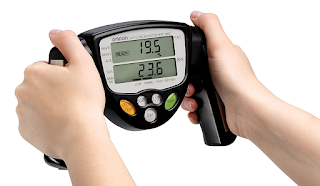
I did my weigh-in and I was checking my body fat percentage with my bioelectrical impedance device. I use an Omron, it's a standard BEI device you find in a lot of gyms and used by a lot of personal trainers, strength coaches and different fitness people. It's non-invasive and gives you a general ballpark figure on your body fat percentage. People always get wrapped up about the level of accuracy. 

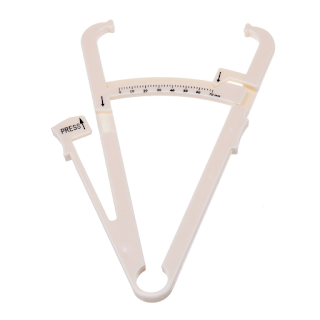
The whole thing is to consistently do it like I do mine with my clients and myself. I try to do it every Friday at the same time between like three to six pm. That consistency using the same number is the whole goal. Is doesn't matter how accurate it is. I want to make the number go down. It is the same thing when I used to use skinfold calipers. 


Back in the day I also used the measuring tape, especially when I was a weight control NCO in the army. I used to run the weight control program and the remedial fitness program for the different companies I was in with the army. I've been doing this for a long time and I've tested a lot of people. 

I don't recommend checking it more than once a week and doing it at the same time, not every day. I'd take my clients and check them, for the past couple of decades on Fridays, at end of the week at the same time whatever their appointment time was. So they knew every Friday that they were checking their numbers. 

Once you see every your numbers every Friday and you're checking it consistently, that number is either going up or down. You can then make necessary adjustments for the next week. Don't worry about it week to week. Don't worry about it day to day because if you check the numbers every day you'll drive yourself insane. Your weight can easily flex two to five pounds up or down every day.


I get on my scale every day just to prove the point. Today my weight was like 233lbs. A couple of days ago it was 238lbs. I'm not trying to lose weight. I'm actually trying to gain weight so I'm failing miserably. The whole point is don't don't worry about it. Check your stuff consistently on a weekly basis and make the necessary adjustments after you get your numbers. Then hit the next week hard and you'll achieve victory. Stay at it my friends, be consistent, and never quit.

Watch the video here:


Thursday, September 22, 2022

Calculate Your Calorie Requirements with the NASM Calorie Calculator


Many weight loss and fitness gurus tell you that you don’t have to track calories in or out. And when you are experienced in these things, you do not have to. 

But the average person is not experienced in these matters at all. There is a time and place for you to listen to your body and go with how you feel. A beginner starting a fitness and nutrition program doesn’t fit that scenario. You need data and the more the merrier.

While everyone tells you to simply eat less and exercise more, your body has a specific list of requirements in order for you to safely and effectively reach your goals. 

Calculating your calorie requirements is a way to sift through the madness and see what is really going on with you. 

There are numerous ways to calculate your calorie requirements. You can go old school and do it by hand using a formula and simple math. Or you can use one of the many online calculators or apps which are readily available. 

I like to do mine by hand and then spot check it with an online calculator. I use NASM’s online calculator on their website. 

NASM calorie calculator link:

First I find out what my BMR or basal metabolic rate is. Your BMR is the baseline number of caloric requirements which you need to be able to be alive and functioning. I can guarantee you that most people’s BMR is more than 1200 calories. 

Here is my BMR. This is what I need to take in just to be alive. I won’t keel over and die if I don’t eat this much. But nothing good will happen if I’m under this amount consistently for any length of time. This is my first requirement. 

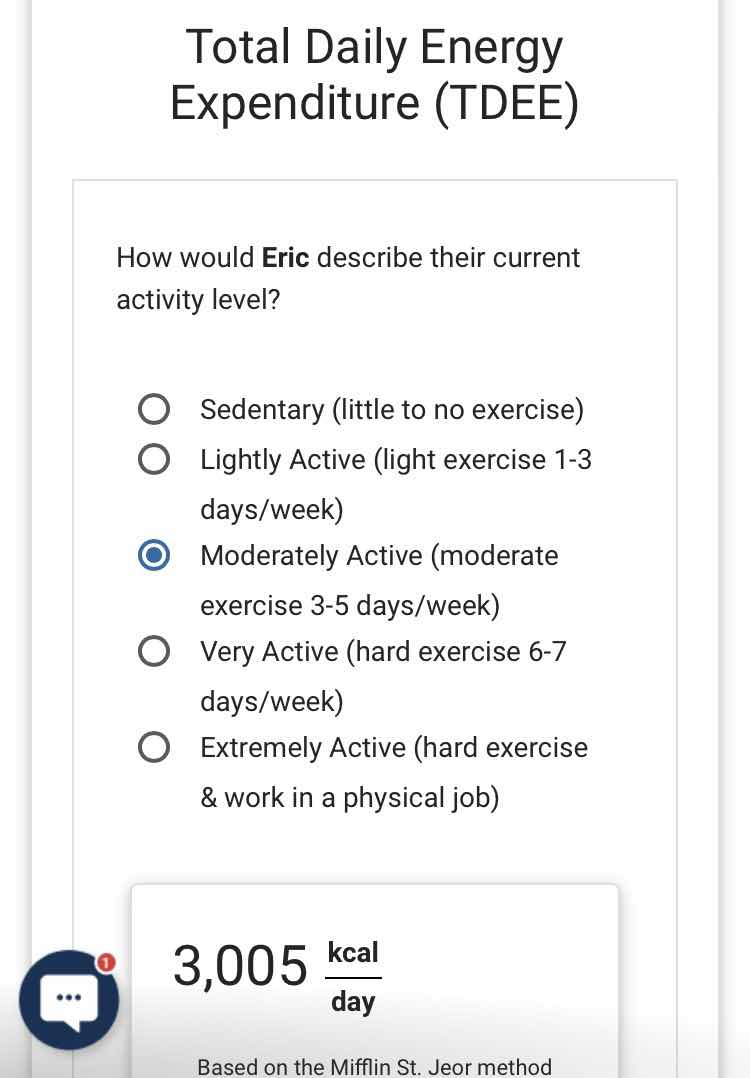
Then I have to determine my maintenance calories or total daily energy expenditure (TDEE).


Based upon a moderate activity level, my TDEE or maintenance calories are 3005. This is what I would consume to maintain my present body weight. 

But say I want to lose 5 pounds or a 3-5 % body fat, in the next certain number of weeks or months, then I have to calculate things based upon that goal. 

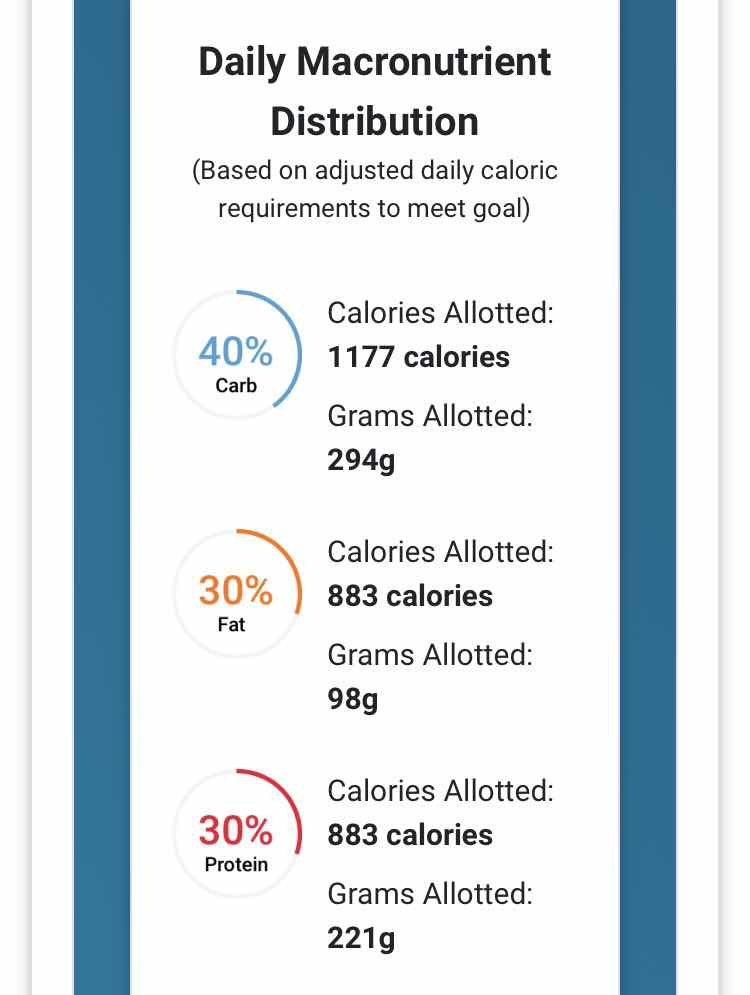
The calculator then takes into account your desired macronutrient ratio. 


Let’s say I’m going to use 40-30-30 for my macros.
I punch that in the calculator and designate a desired goal date. The calculator with then provide me with my “deficit calories” or what I need to cut down to. 


So I have to cut my intake down from my maintenance calories of 3005 to 2943. This is a massive 62 calorie drop. - (sarcasm). So now I know what I need to do. 

The important part of all this is that I need to know what I’m actually doing right now so I can tell if I need to increase or decrease my caloric intake to reach my designated numbers. 

As you can see, this is much more complicated than just “Eat less and exercise more”. And the caloric requirements are way higher than the “1200 calorie diet” my doctor would put me on to lose weight. 

Now here is the reality check. I have to track my numbers at least once a week so I have an idea of where I’m at. So after tracking a recent day’s calorie intake, I took in 2150 calories. 

This is way lower than my deficit calories of 2943. So I’m already in a deficit that is too big. And, (wait for it…), I have to eat MORE not less to reach my deficit calorie requirements. 

That’s what I struggle with daily. Eating enough of the right stuff at the right time is the challenge. Because clean healthy food is rich in nutrients but low in calories. So you gotta eat huge to meet your numbers. 

Never starve yourself or suffer on a diet again. Use this information and take charge of your nutrition plan. 

Bottom line is that the eat less and exercise more mantra, and the doctor’s 1200 calorie diet, are garbage. 

Eat the right amount of the right stuff at the right time in order to reach your desired goal. 

Eric Dempsey
MS, NASM Fitness Nutrition Specialist,
NESTA Certified Sports Nutrition Specialist,
NASM Weight Loss Specialist 


Monday, August 29, 2022

Metabolic Effects of Intermittent Fasting: A Review


Here is an interesting review on Intermittent Fasting which I found on PubMed. 

Abstract

The objective of this review is to provide an overview of intermittent fasting regimens, summarize the evidence on the health benefits of intermittent fasting, and discuss physiological mechanisms by which intermittent fasting might lead to improved health outcomes. 

A MEDLINE search was performed using PubMed and the terms "intermittent fasting," "fasting," "time-restricted feeding," and "food timing." Modified fasting regimens appear to promote weight loss and may improve metabolic health. Several lines of evidence also support the hypothesis that eating patterns that reduce or eliminate nighttime eating and prolong nightly fasting intervals may result in sustained improvements in human health. 

Intermittent fasting regimens are hypothesized to influence metabolic regulation via effects on (a) circadian biology, (b) the gut microbiome, and (c) modifiable lifestyle behaviors, such as sleep. If proven to be efficacious, these eating regimens offer promising nonpharmacological approaches to improving health at the population level, with multiple public health benefits.

https://pubmed.ncbi.nlm.nih.gov/28715993/


Tuesday, August 16, 2022

Cookies and Cream Whey Protein From LivPur


Fuel your body, boost your workout, and champion your day with the highest quality whey protein powder with digestive enzymes. Bloat won't slow you down now...

With every serving, you fuel your body with 25 grams of protein and 2 grams of MCT's. This formula will help you build muscle, manage weight, reduce inflammation, and support a healthy immune system and digestive health.

Overview:
• 25 grams protein, 2 grams MCT's, 2 grams sugar
• Grain-free, soy-free
• Convenient single-serving stick packs
• No artificial colors/flavors

Benefits:
• Helps build and maintain muscles
• Supports weight loss and weight management
• Promotes a healthy metabolism
• Reduces food cravings and helps satiate
• Helps reduce inflammation and fight off free radical damage
• Supports healthy immune function
• Supports digestive healthy

Monday, August 15, 2022

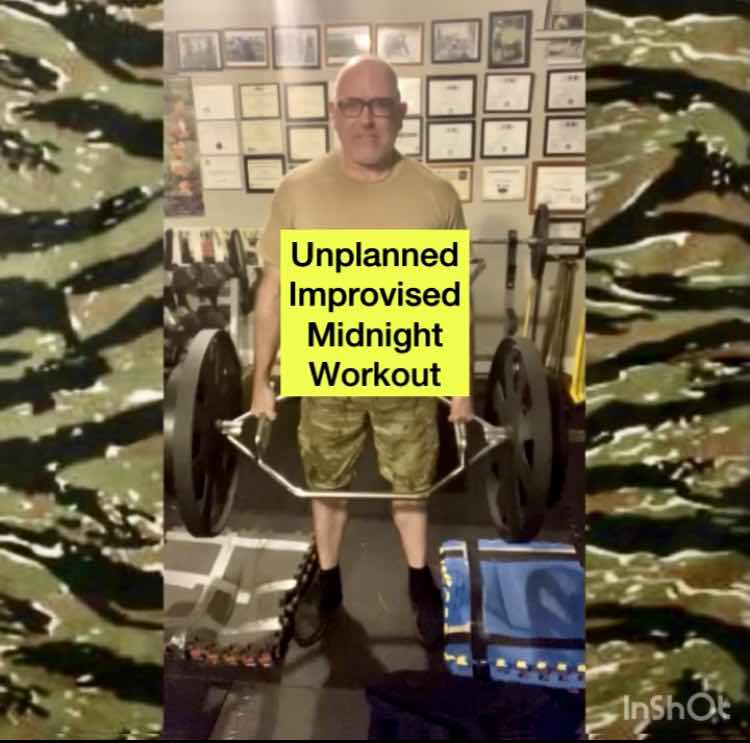
How I Create Unplanned Improvised Late Night Workouts


Last night while getting ready to workout, the allergies came out of nowhere. I was about to tap out but I slammed some preworkout and staggered into the gym instead. 

With no plan I decided to show you how I make it happen. Follow me through an unplanned improvised midnight workout. 

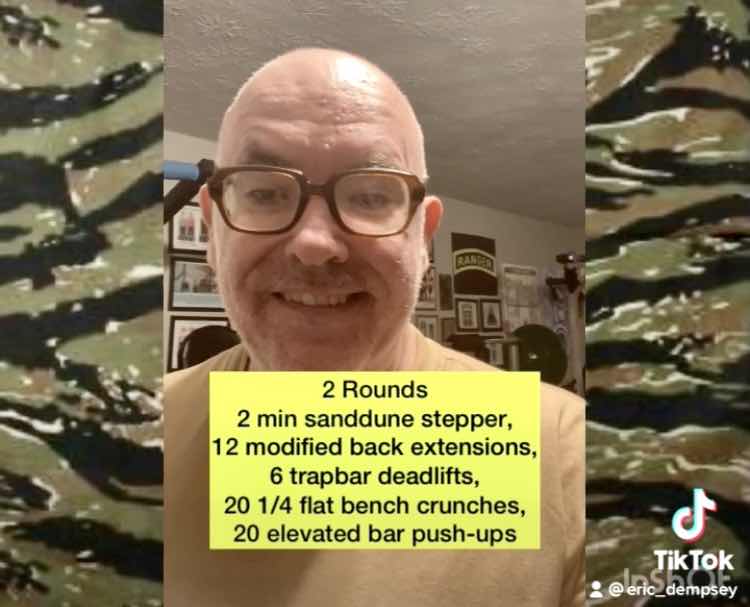
The key is to get in the gym and start moving. I usually go right to my sanddune stepper. I warmup with 2 minutes of marching in place. 

I do one minute facing one direction followed by one minute of facing the other direction. This gets the cardio going and lights up the calves, quads, glutes, and hamstrings. 

Then I will pick a core exercise to let the legs recover. In this case I picked modified back extensions. My back and hip are my old injured problem areas so I try to keep them strong. I knocked out 12 reps. 


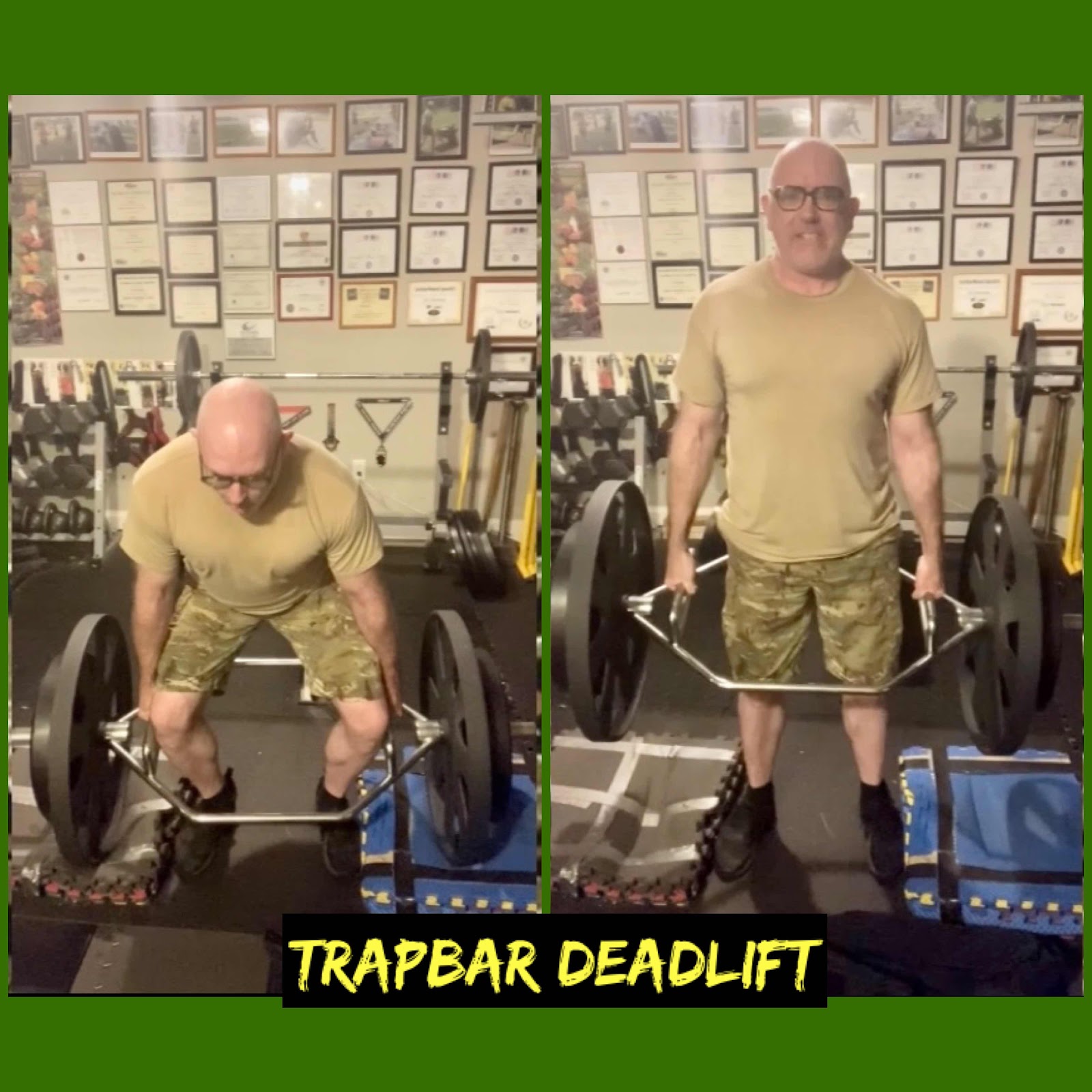
Next was a lower body / leg exercise that I haven’t done recently. I went for the trapbar deadlift for 6 reps.


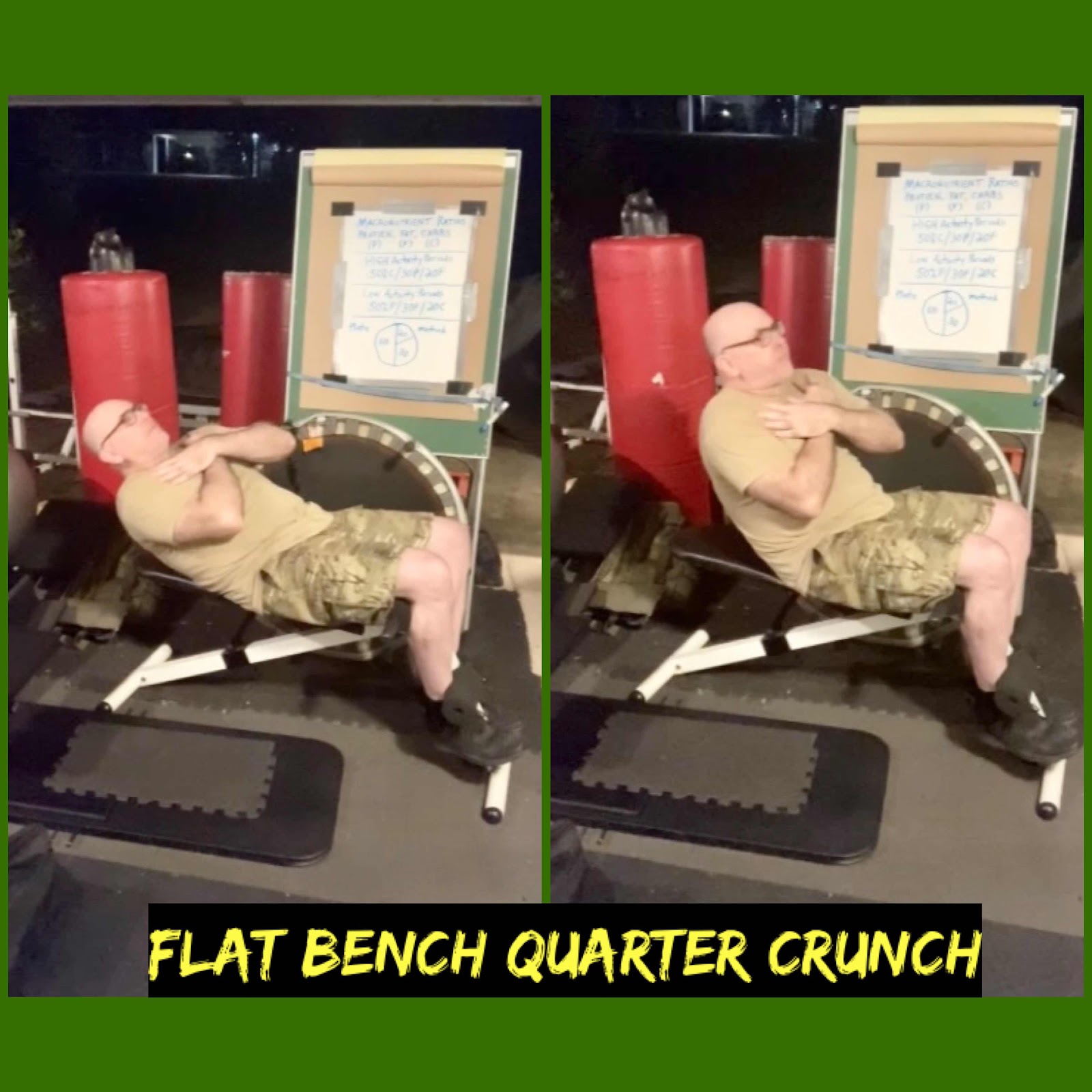
From there I hit another core exercise. I chose the flat bench 1/4 crunch for 20 reps. This version of the crunch protects my lower back, minimizes hip flexor involvement, and isolates the rectus abdominus or abs. 


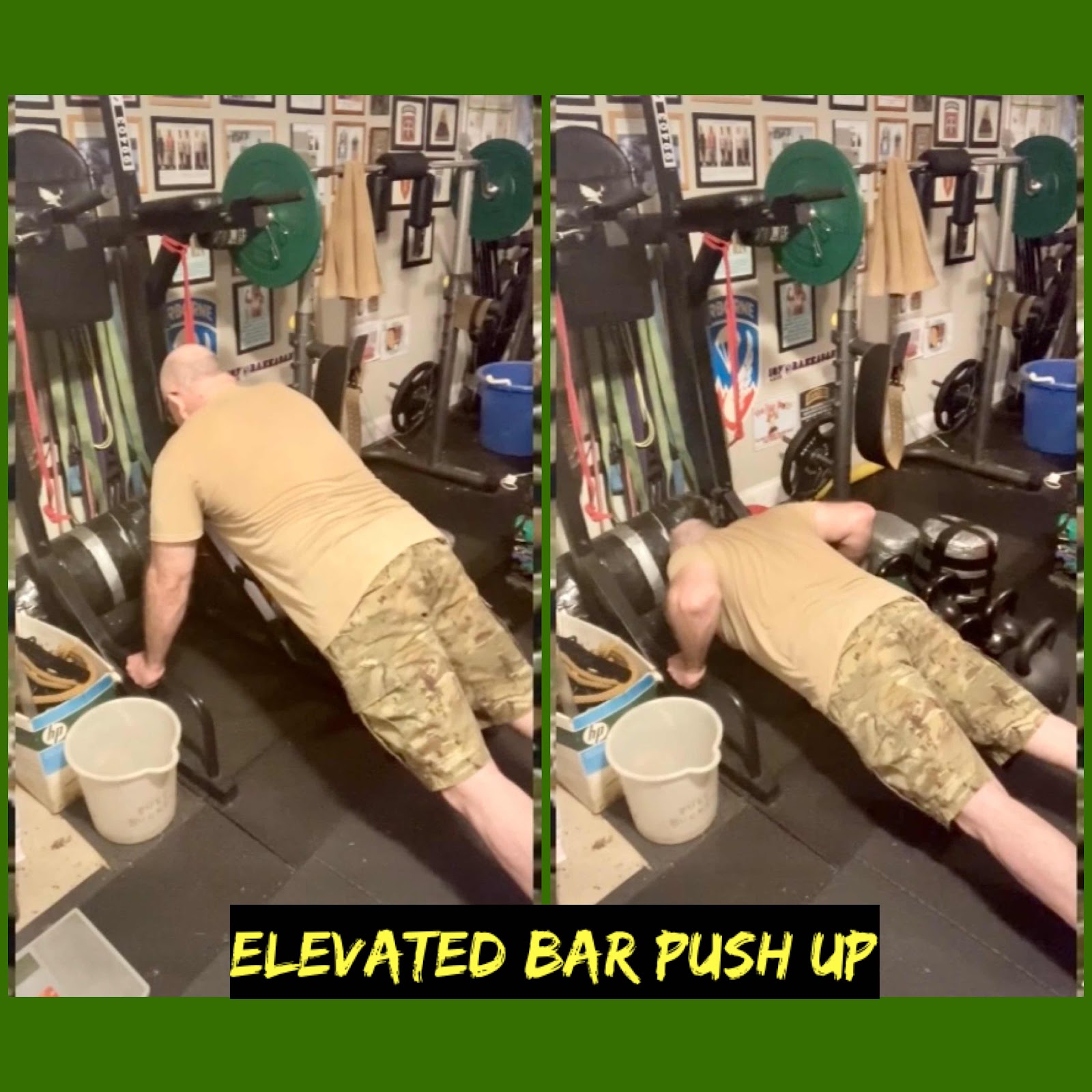
My final exercise was for the upper body and went with 20 reps of elevated bar push ups. This exercise works the chest, triceps and anterior deltoid or front shoulder. 


I tried to keep the rest periods as short as I could and then I did a second round. It was a full body workout that hit all of the major muscle groups. Not bad for having no workout planned. 

And I was seriously contemplating not working out at all. So get in the gym even without a plan and make it happen. I used a simple warmup, core, legs, core, upper body guideline. 


Here is the workout video.


Remember the key is to get in the gym and do something even if you don’t feel like it and have no plan. You’ll be surprised at what you accomplish .

If you want some detailed muscle and strength building info and workout plans to follow, check out my ebook package here: Muscle and Strength Building